
A Colorado Buyer’s Guide to Looking Beyond the List Price, Finishes and First Impression
A home may have the right look, the right features and the right price—yet still be the wrong purchase. The true cost often lies beyond the finishes, list price and first impression. The wrong floor plan can lead to an expensive renovation. A difficult commute can take hours away from your week. Deferred maintenance, higher-than-expected insurance premiums or a neighborhood that does not support your lifestyle can quickly change how you feel about the purchase.
Not every costly mistake comes with an obvious red flag. A home can be well-maintained, beautifully presented and appropriately priced—and still be the wrong home for you. Sometimes the biggest costs come from the things that aren't technically “wrong” with the property at all. There is no one-size-fits-all definition of the right home—otherwise, every buyer would be looking for the same one. What works depends on your lifestyle, priorities, budget and plans for the future.
Whether you're buying in Denver, Littleton, Highlands Ranch, Ravenna or elsewhere along the Front Range, some of the most significant costs of buying the wrong home aren't obvious during a showing. They appear later—in monthly expenses, renovation projects, lost time and compromises that affect everyday life.
Before committing to a home, take a closer look at these eight costs buyers often overlook.
1. A Floor Plan That Does Not Work for Everyday Life
Professional photography, thoughtful staging and a polished online presentation can make a home feel inviting, but they do not always reveal how the space will function once you move in. One question we encourage buyers to ask: Am I buying this house because it works for me—or because it shows well? Consider how you will enter the home with groceries, where backpacks or coats will land and whether the kitchen supports the way you cook and entertain. Think about privacy, storage, work-from-home needs and how the layout might serve you as your household changes.
In a recent Redfin article about house-hunting red flags, Nick Schossow of The Schossow Group said, "Some of the biggest red flags when house hunting can be easy to miss, especially in a beautifully presented home. Look beyond the furniture, finishes, and fresh paint and pay close attention to how the home actually lives – its floor plan, natural light, storage, construction quality and overall condition. Also pay attention to the things you can’t change, like the lot, surrounding properties, traffic and noise. A smart purchase should work for you today while also protecting the home’s value and appeal to future buyers when it’s eventually time to sell.”
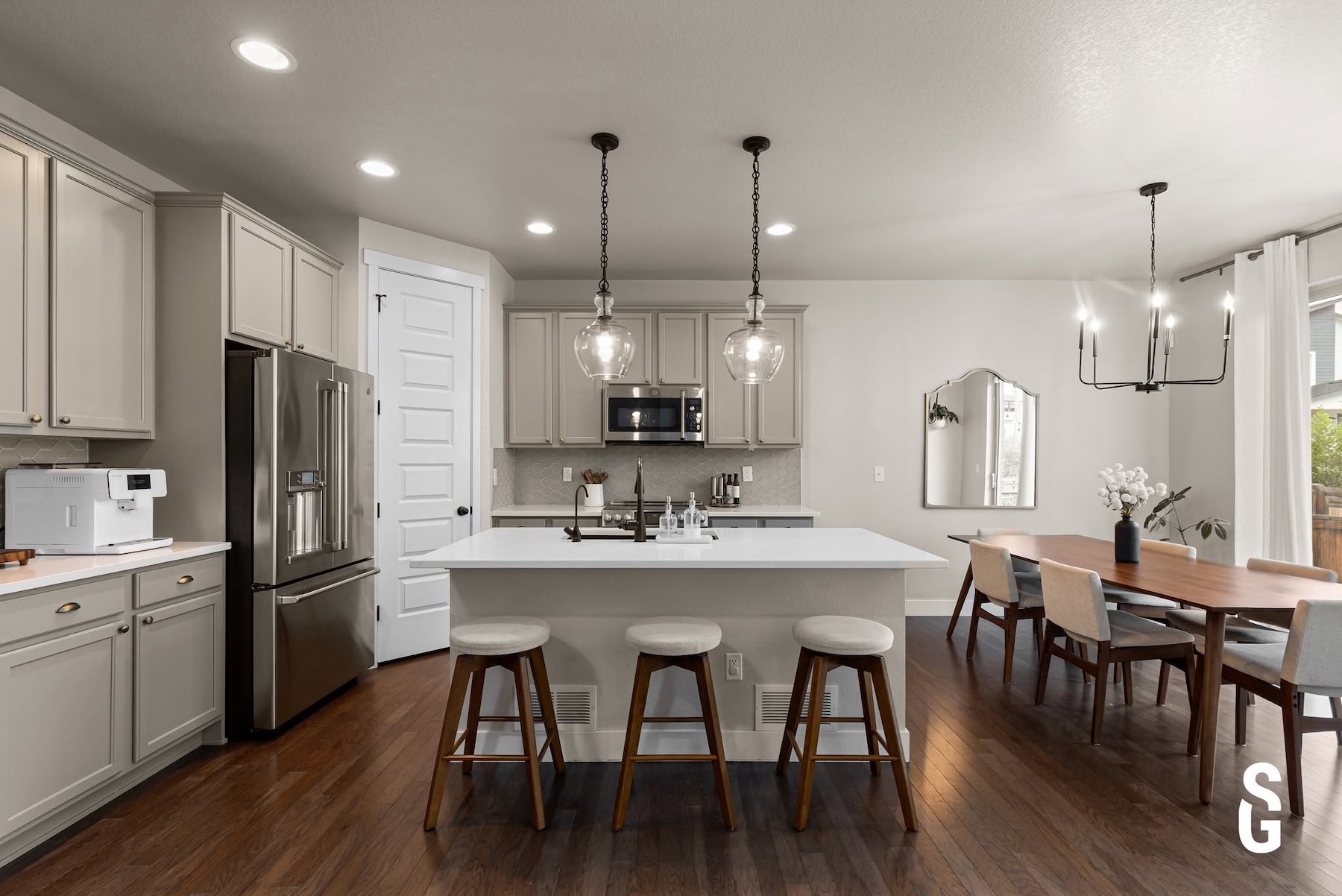
Currently listed by The Schossow Group, 6852 Canosa Street in Denver features an open floor plan designed for gathering and entertaining.
2. What Cosmetic Updates May Be Hiding
Fresh paint and cosmetic updates can draw attention away from the systems that keep a home operating. An aging roof, older HVAC equipment, inefficient windows, drainage problems or outdated plumbing may not prevent you from purchasing the home. However, these items should be understood before you move forward.
Colorado homes also face specific maintenance demands. Hail, snow, intense sunlight and temperature swings can affect roofs, siding, decks, windows and exterior finishes. Landscaping, irrigation systems and snow removal may add expenses that were not part of your previous housing costs.
A professional inspection provides important information, but buyers should also review available permits, maintenance records, seller disclosures and the expected remaining life of major systems. Knowing which expenses may be approaching makes it easier to determine whether the home still fits your overall budget.
3. Monthly Expenses Beyond the Mortgage
A monthly mortgage payment is only one part of the cost of owning a home. Property taxes, homeowners insurance, utilities, HOA dues and ongoing maintenance all affect affordability. Two similarly priced homes can have very different ownership costs. A larger home may require more energy to heat and cool. An older property may need more frequent repairs. A community with extensive amenities may have higher HOA dues or special assessments.
Insurance should also be investigated early in the process. The home’s age, roof condition, location and claims history may influence the availability and cost of coverage. Buyers should evaluate the complete monthly and annual cost of ownership, not simply the amount they are qualified to borrow.
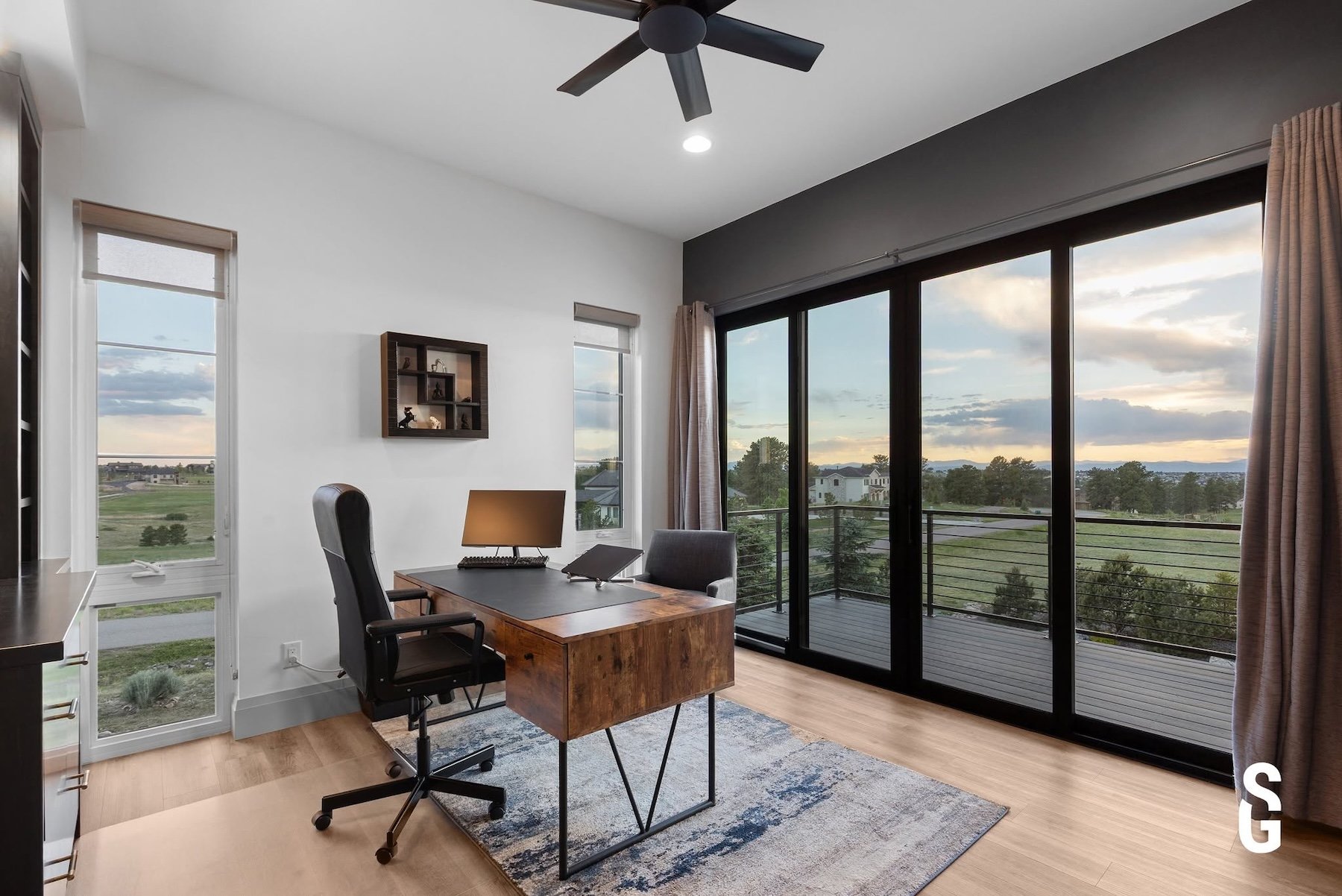
Flexible spaces, like this office at 10689 Shadow Pines Road, can adapt to your needs in several ways.
4. Paying for Space You Do Not Use
More square footage can be appealing, but unused space still has a cost. Additional rooms increase the purchase price and may raise property taxes, insurance, utility bills, furnishing costs and maintenance responsibilities. A large yard, pool or extensive landscaping can also require more time and ongoing care than anticipated.
Rather than focusing exclusively on size, consider how each part of the home will support your lifestyle. The right home is not always the largest one within your budget. It is the one with space that serves a clear purpose and feels comfortable to maintain.
5. The Cost of the Wrong Location
Location affects far more than future resale value. It shapes daily routines. A longer commute can increase fuel and vehicle expenses while reducing the time available for family, recreation or relaxation. Limited access to shopping, healthcare or activities may create additional travel. Traffic patterns and road noise can also feel very different during rush hour than they do during a weekend showing.
Spend time in the neighborhood at different times of day. Drive the routes you expect to use regularly. Consider access to the places that matter most to you and pay attention to surrounding properties, planned development and nearby land uses.
Another question we often encourage buyers to ask: Can I change the thing I don't like? Paint colors, flooring and fixtures can change. A busy road, difficult lot, lack of natural light or inconvenient location usually cannot.
6. A Home That Does Not Support Your Next Chapter
A home should meet your needs today, but it is also worth thinking a few years ahead. Will you need another bedroom, a dedicated office or more accessible living spaces? Could aging parents or adult children become part of the household? Are you comfortable with the maintenance the property will require over time?
No home can anticipate every change, and buyers should not pay for features they may never need. Still, considering your likely plans can help you avoid purchasing a home that becomes limiting sooner than expected. Moving again earlier than planned comes with its own costs, including transaction expenses, moving services, repairs, staging and the time required to begin another home search.
The next chapter looks different for every homebuyer. Understanding what yours may bring can help you identify the right priorities, property and location. Pictured: 17320 County Road 306 in Buena Vista, listed by The Schossow Group.

7. Renovations That Cost More Than Expected
It is easy to walk through a home and imagine the changes you would make. New paint, updated lighting or different flooring may be relatively manageable. Moving walls, expanding a kitchen or reconfiguring the primary suite is another matter. Even seemingly straightforward renovations can reveal additional work once construction begins. Electrical systems may need to be updated. Plumbing may have to be relocated. Structural modifications can require engineering, permits and specialized contractors.
Before purchasing a home with plans to renovate, buyers should understand the potential scope and cost of the work. It is also important to consider whether the proposed improvements make sense for the property and neighborhood. A major renovation may create the home you want, but investing well beyond the value of comparable homes in the area can make it difficult to recover those costs when it is time to sell. Before moving forward, buyers should weigh the renovation budget against the home’s potential market value and long-term resale appeal.
A lower purchase price does not always represent a better value if the home requires substantial work to meet your needs.
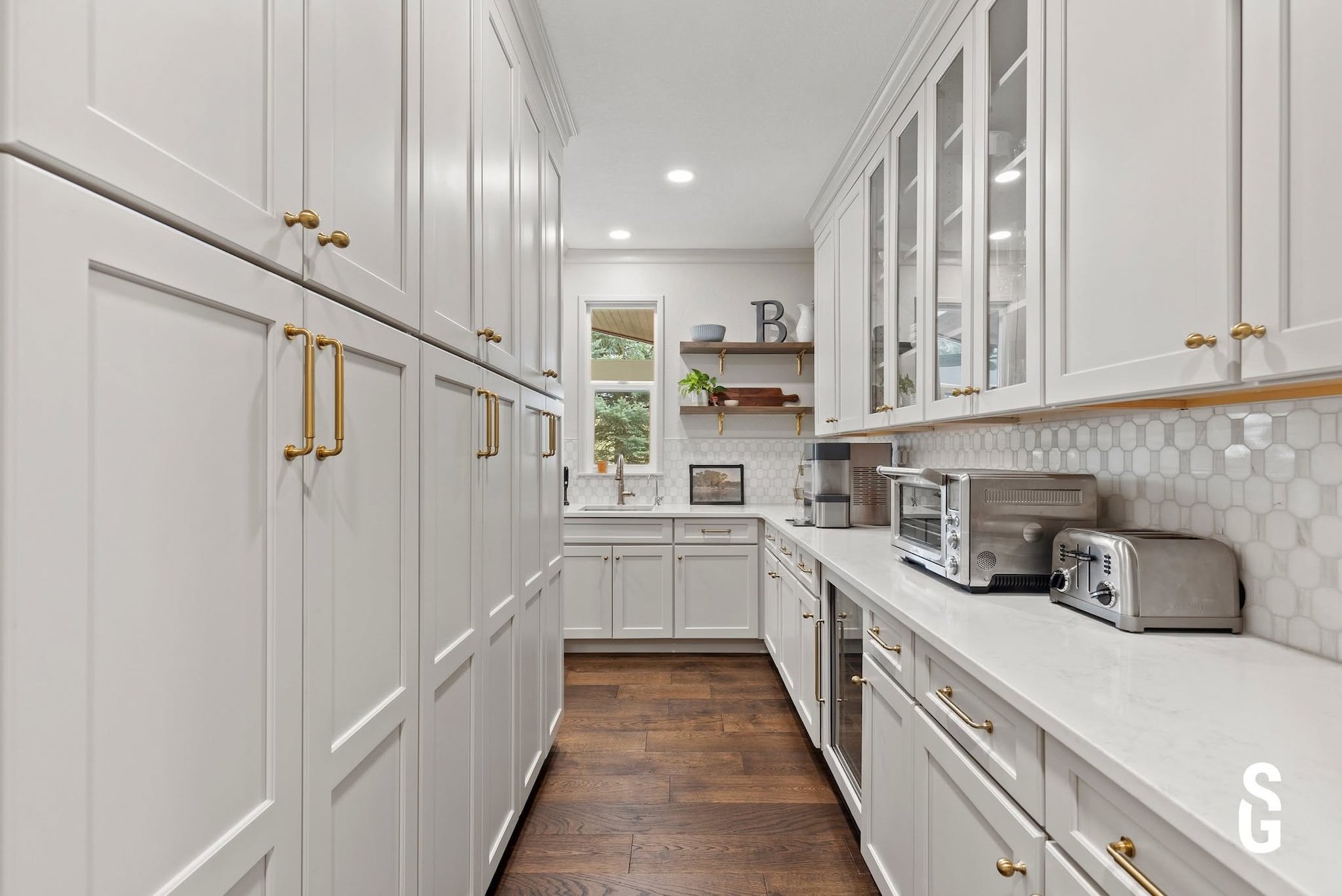
If your heart is set on a butler’s pantry like the one above, understanding what it will take—and cost—to create one should happen well before closing day.
8. Compromises That Affect Resale Value
Every purchase involves compromise. The important question is whether you are compromising on something personal or something that may concern future buyers as well. You may not mind limited natural light, an unusual floor plan or a steep driveway. However, those features could narrow the buyer pool when it is time to sell. Lot position, traffic, noise, surrounding properties and construction quality can also influence long-term appeal.
As Nick noted in Redfin, a smart purchase should work for the buyer today while protecting the home’s value and appeal to future buyers. Resale should not be the only consideration when choosing a home, but it should be part of the conversation—especially when evaluating features that cannot be easily changed.
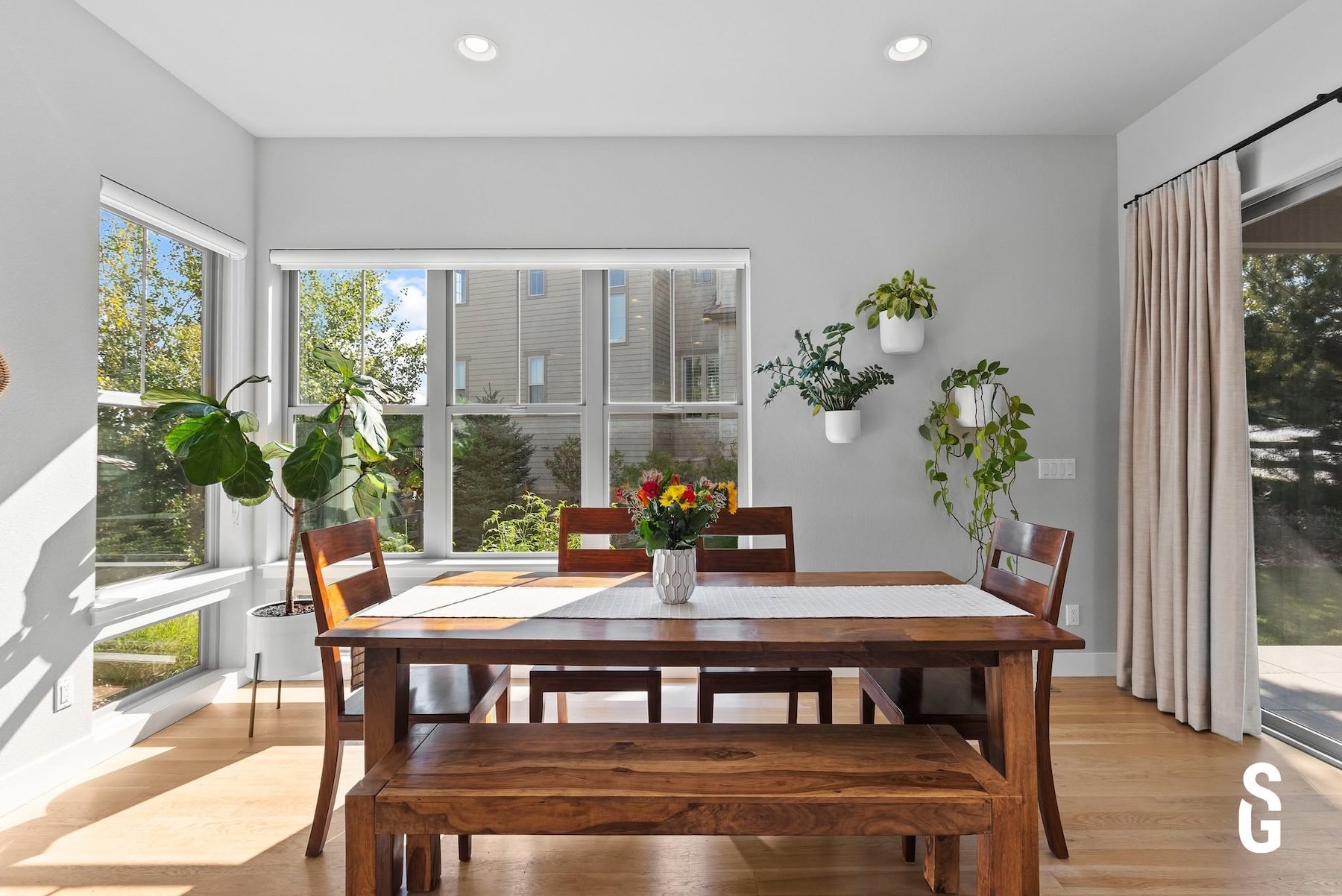
Abundant natural light fills 10424 Maplebrook Way in BackCountry, bringing Colorado’s signature sunshine into the home.
The Lasting Cost of Settling for the Wrong Home
Some of the most significant consequences of buying the wrong home cannot be measured in dollars.
Feeling pressured to make an offer, stretching beyond a comfortable budget or dismissing concerns because a property presents well can lead to lasting stress after closing. Instead of enjoying the home, buyers may find themselves overwhelmed by repairs, postponing other financial goals or regretting compromises that affect their daily lives.
The goal is not to find a perfect home—every property comes with tradeoffs. In fact, holding out for a home that checks every box can mean overlooking a great home that checks the ones that matter most. A successful purchase begins with understanding those compromises and deciding which ones you can realistically and comfortably live with.
Make the Right Purchase With Experienced Local Guidance
The right real estate advisor does more than open doors and write an offer. An experienced agent helps you evaluate the property, neighborhood, market position and long-term implications of the purchase.
With more than 100 years of combined Colorado real estate experience, The Schossow Group provides the local knowledge and strategic guidance buyers need throughout Littleton, Highlands Ranch, Ravenna, BackCountry, Denver and surrounding South Metro communities.
A home should support the way you want to live without introducing costs or compromises you did not anticipate. If you are considering a move, contact The Schossow Group to begin your search with clarity and confidence.

If you’re curious about buying or selling in Colorado, contact our team today and we’ll go to work for you. Learn more about our team here or search all Colorado homes for sale.
More from the Schossow Group:
- 5 Key Ways an Experienced Agent Brings Value and 50 Things a Buyer's Agent Does
- Moving to Colorado? 10 Things New Residents Are Surprised to Learn
- The Schossow Group Featured by Denver Real Producers
- South Metro Denver Suburbs Compared: Highlands Ranch, Littleton, Parker, Lone Tree
- Real Estate Q&A: The Most Common Questions Our Buyers and Sellers Ask
- Ravenna Real Estate in 2026: A Lifestyle Defined by Setting, Community, and Enduring Demand
- The Best Farm-to-Table Restaurants in Denver and South Metro: Where to Eat Fresh and Local
- 9 Unforgettable Luxury Summer Experiences in Colorado
- 30 Days to a Clutter-Free Colorado Home
- More than a Game: Exploring 25 Benefits of the Private Club Lifestyle
- 25 Colorado Summertime Musts to Add to Your Bucket List
- Meet the Schossow Group: Molly Petrelli
- Meet the Schossow Group: Dale Schossow
- Meet the Schossow Group: April Stahl
- 5 Local Colorado Trails to Run, Bike or Hike This Summer